
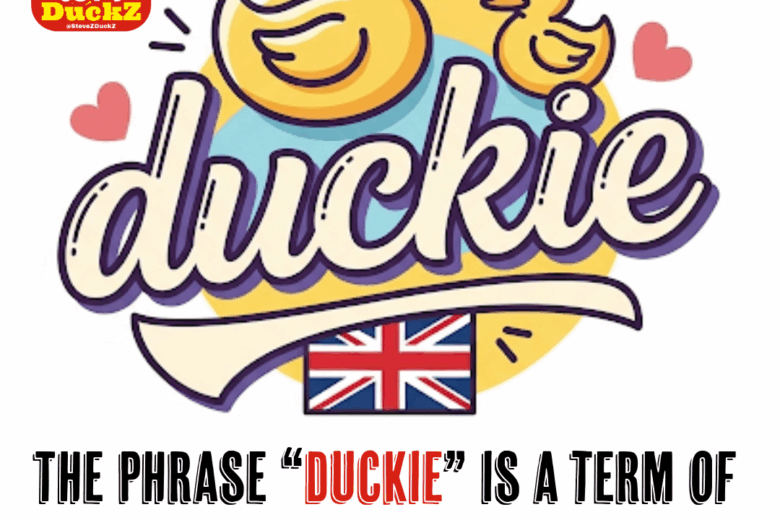
British English has a delightful way of turning everyday words into affectionate expressions, and “duckie” is one of its most charming examples. Whether spoken warmly by a grandparent or tossed playfully into conversation between friends, is an endearing term that adds a touch of whimsy to British interactions.
“Duckie” A Quacking Good Term of Endearment in British English

Origins of “Duckie” as a Term of Affection
The affectionate use of “duck” or “duckie” dates back centuries, particularly in the Midlands and Northern England. The term likely originated from the softness and harmlessness associated with ducks, much like other animal-based pet names such as “lamb” or “chick,” which convey warmth and kindness. Some linguistic historians trace its roots to the Middle English word duce, meaning “duke” or “leader,” which evolved into familiar and affectionate addresses.
How “Duckie” Is Used in British English
In conversation, the word functions much like “darling” or “sweetheart,” conveying both familiarity and fondness. You might hear it in various contexts:
- Among friends: “Alright, duckie? Fancy a cuppa?”
- From an older person to a younger one: “You look a bit chilly, duckie, get your coat on.”
- In customer service: “There you go, duckie, one scone and cream.”
- Between family members: “How was your day, duckie?”
Its usage is particularly strong in regions like Derbyshire, Nottinghamshire, and Yorkshire, though it is understood throughout the UK.
Notable Cultural Appearances
The term has also found its way into pop culture. Fans of the 1986 film Pretty in Pink will remember Jon Cryer’s character, Duckie—a name likely inspired by British affectionate usage. In British television and literature, “duck” and “duckie” are often used to establish regional authenticity and intimacy between characters.
Why “Duckie” Deserves a Comeback
While the term is still alive in some areas of the UK, its everyday use isn’t as widespread as it once was. Whether used sincerely or playfully, it’s a delightful term that reminds us that language can be just as cozy as a hug.
So, the next time you want to brighten someone’s day, give “duckie” a try—after all, who wouldn’t want to be compared to one of the cutest creatures around?

Steve is a collector of rubber ducks. At SteveZ DuckZ, Steve will share off his rubber duck collection and share blog post relating to rubber ducks. If you love rubber ducks, please follow on social media or subscribe!
Duckies Like Sharing:

Discover more from SteveZ DuckZ
Subscribe to get the latest posts sent to your email.